on virgo's sharp blade
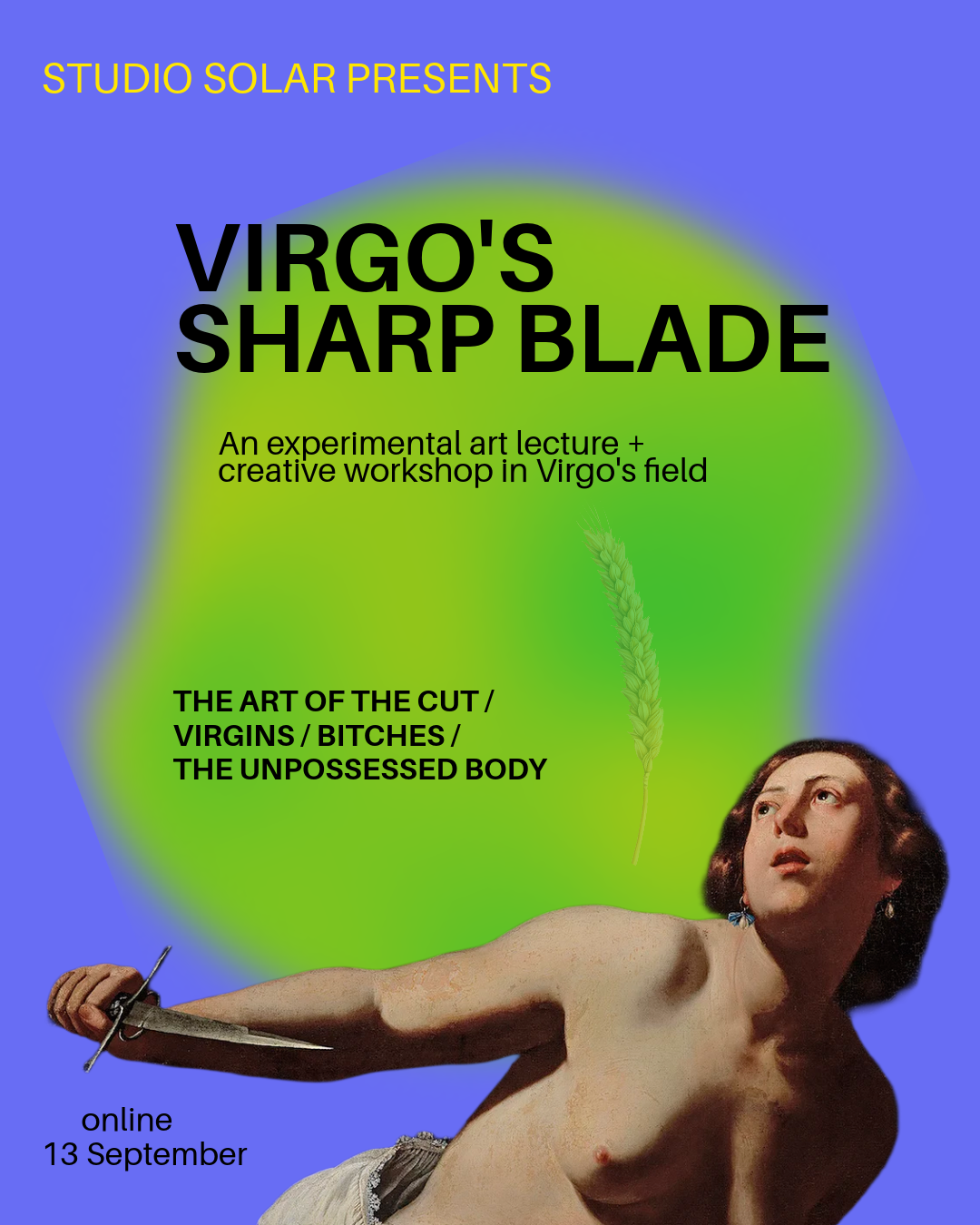
THE ART OF THE CUT/VIRGINS/BITCHES/THE UNPOSSESED BODY​​​​​​​
A one-day workshop on Virgo, sovereignty, and the creative force of the cut
Sunday, September 13, 2026
18:30–20:30 Paris / 12:30–14:30 New York
Live on Zoom
Recording available for all. Live attendance is not mandatory.

€40 
*Special discount for Studio Solar alumnis and Paid Substack subscribers. If you have not received the discount code, please reach out to me directly. 

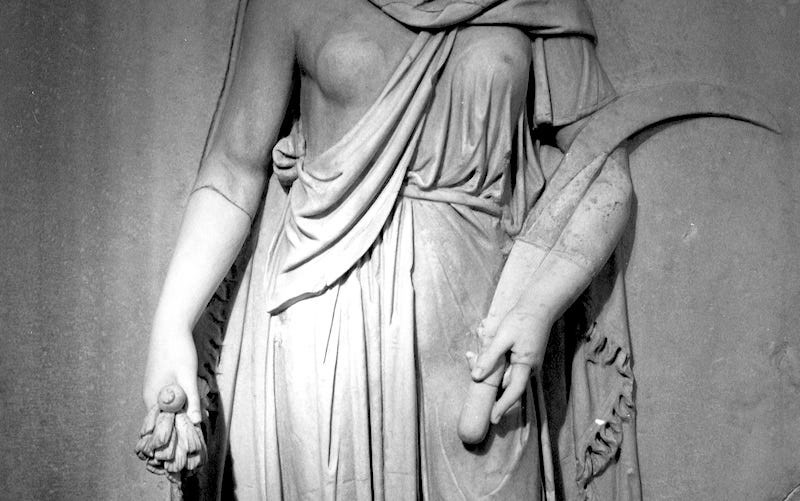
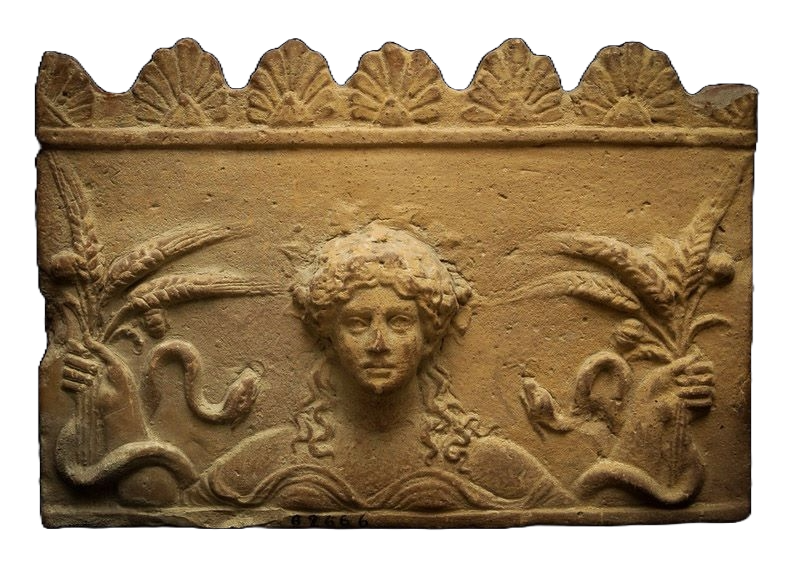
Ceres (Roman, ca. 50 BC-50 AD, Stone

Ceres by Anthony Boutard
Virgo is far too often flattened into the maiden, an image of purity and virginity that can feel boring and incomplete. As always, there is so much more.
To me, Virgo is the witch of the zodiac. The ritualizer, the editor, the gleaner, the one who separates wheat from chaff. Virgo’s gift is precision, a meticulous eye, a touch of ritual fire mixed with dirt
Virgo prepares us for the long night of winter that lies ahead. 
What many do not know is that Virgo also carries a sharp blade.
Some people talk about Virgo as if they were talking about trad wives. There is nothing traditional here, and nothing wife. She belongs to no one except herself.
This workshop grows in part from my Substack essay Virgo’s Sharp Blade. We will enter more deeply into its questions through astrology, mythology, art history, ritual, and creative practice.
Across two live hours, we will follow Virgo’s blade through the agricultural field, the ritual circle, the work of the artist, and the digestive body.
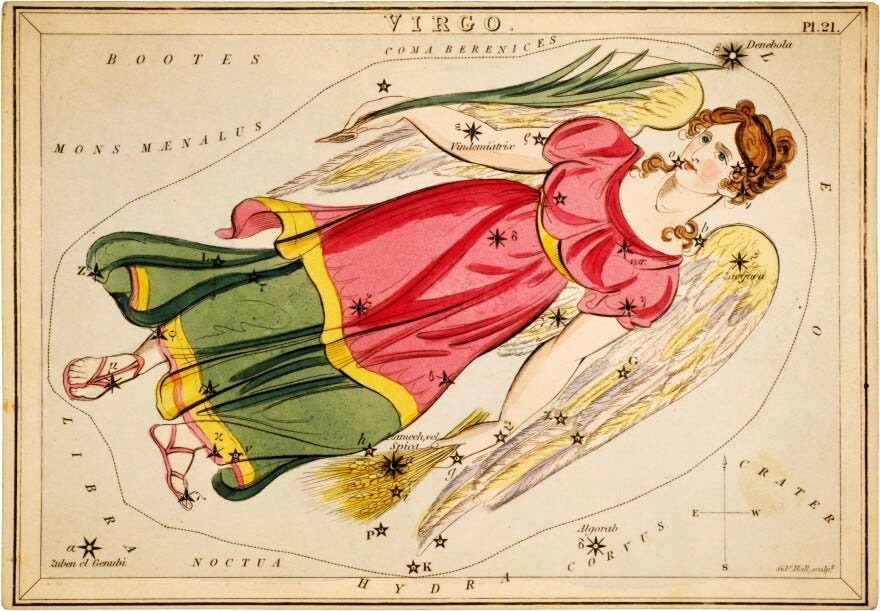
At the center of Virgo’s constellation shines Spica, the ear of wheat held in her hand. Spica is the gift of the harvest, a star of plenty. Yet this abundance is born from the cut. Wheat cannot nourish us until it has been severed from the field. Bread cannot reach our mouths and bellies without the work on the ground.
The wheat in Virgo’s hand is inseparable from the knife that cut it and from the hand that held it. A harvest is both a gift of growth and a moment of severing.

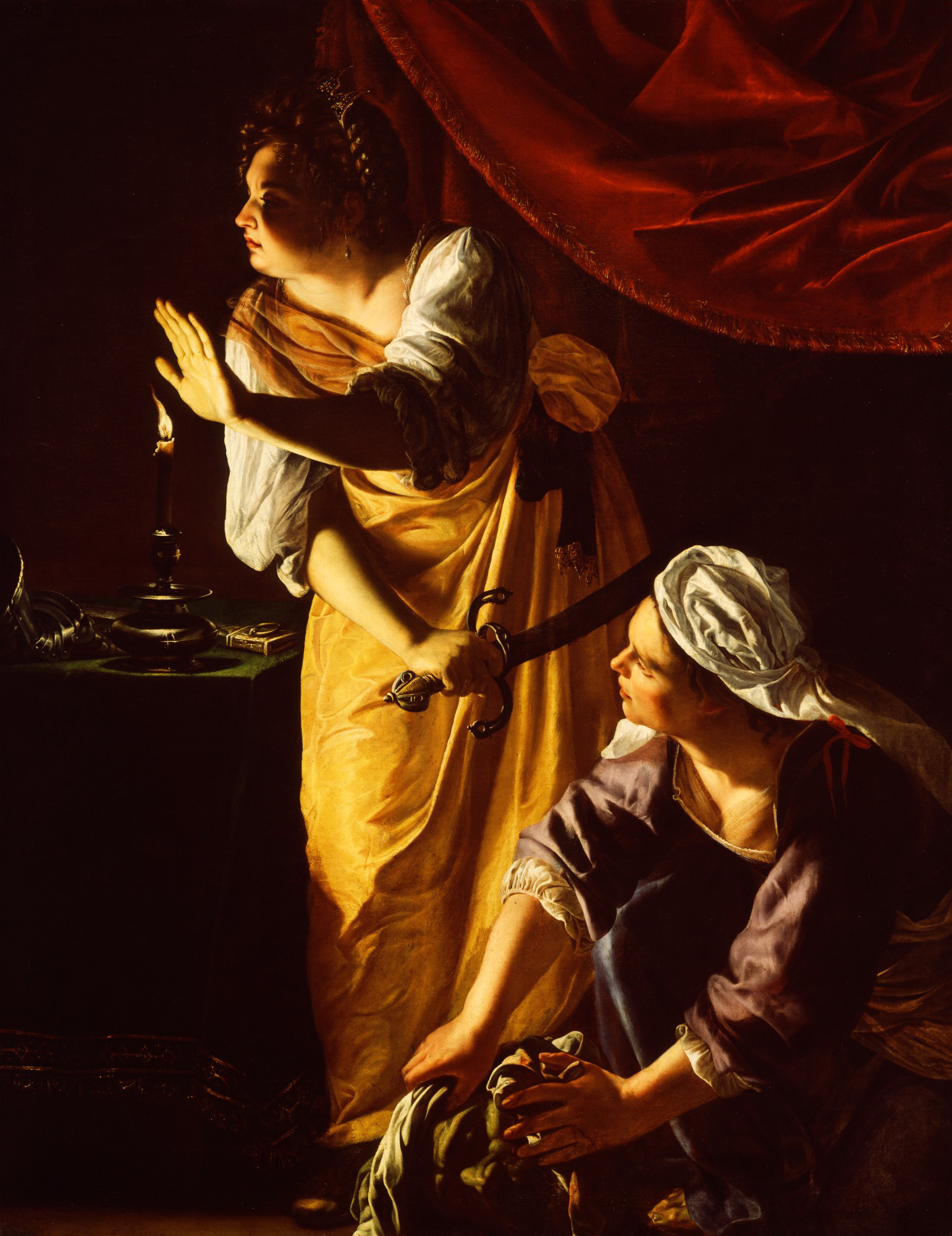
Judith and Her Maidservant by Artemisia Gentileschi, c. 1623–1625
Virgo holds this doubleness. A “blade of wheat” is both the stalk itself and the instrument that severs it. The same word is plant and knife, food and tool. What nourishes and what cuts belong to the same story.
We will approach Virgo’s blade as the sickle of reaping, the scalpel of care, the edit that clarifies. 
The cut of devotion at the altar of life.
​​​​​​​
The witch’s knife

I also think of the witch’s knife, the athame, carving out a ritual circle and drawing the boundaries of sacred space.
The blade is also the clock hand that marks the time for ritual, the signal that calls in the space where the work will unfold. Virgo’s cut is a severing and a setting apart. It creates the conditions for magic to take place.
To draw a circle is to decide where the work begins, what may enter, and what must remain outside. The boundary gives the ritual its shape. It allows attention to gather and transformation to become possible.
This is why Virgos often make the best space holders, at least in my experience. Maybe you thought it was because they were “nice” or “organized.” But I know it's because of that secret sharp knife they carry in their back pocket.

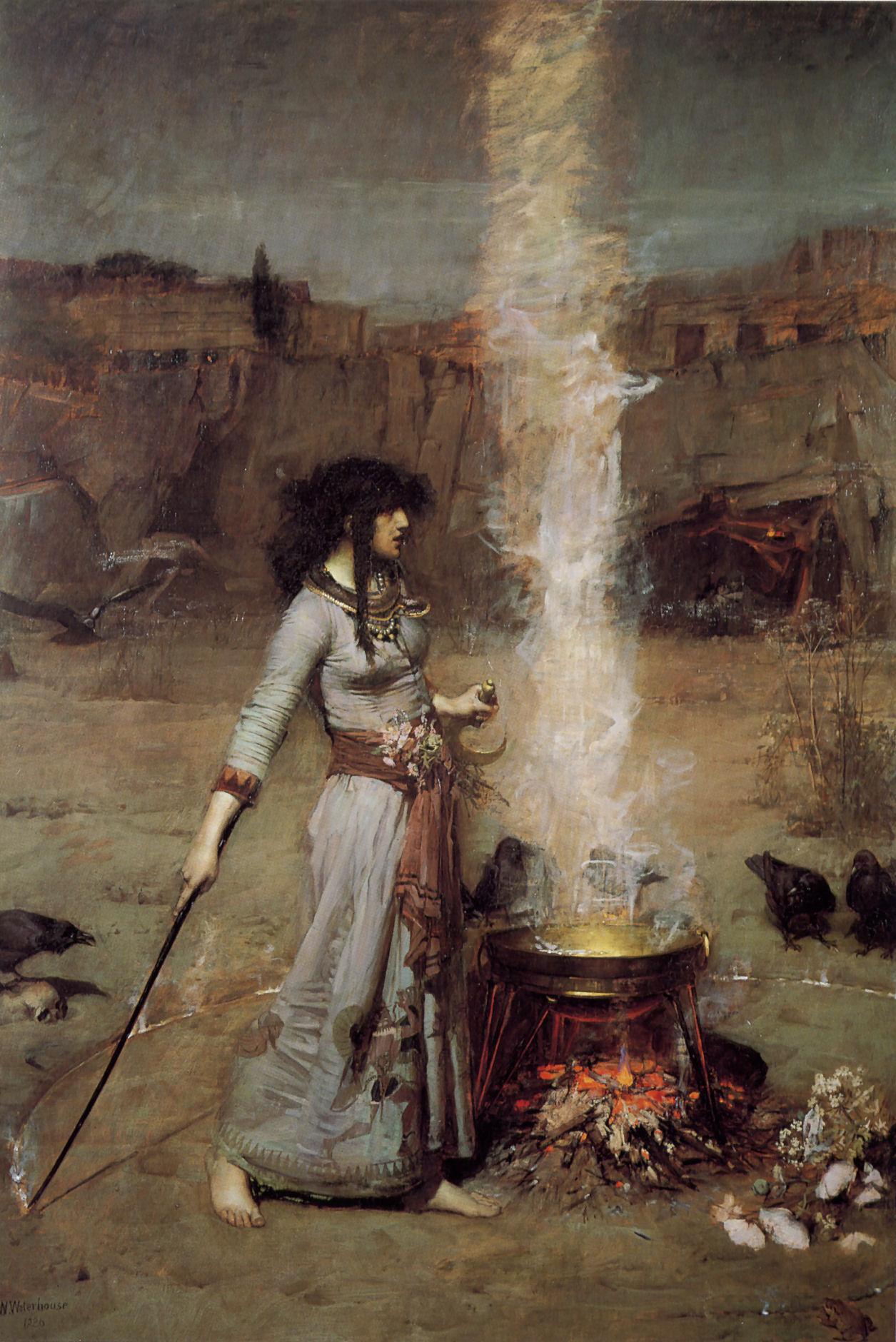
The Magic Circle
by John William Waterhouse
The unpossessed body

Virgo’s name is frequently associated to innocence or sexual purity. We will return instead to the armed virgins of myth: Artemis with her bow and arrow, Athena with her spear, sovereign, weaponed, and whole unto themselves.
Here, virginity names the unpossessed body: a body that belongs to itself, refuses holding down or capture, and retains the power to choose how to tend to it's many fields. 
The unpossessed body may be erotic, entangled, devoted, holy, herretic, relational and collective. Its sovereignty lives in its capacity to choose and renegotiate relation, to guard a threshold even within intimacy, and to decide what it will allow inside.
Virginity becomes a rebellious act of separation: belonging to oneself, cutting ties, refusing definition, marriage, domestication, and ownership. To be virgin in this sense is to stand at the threshold with a weapon in hand, rebelliously claiming sovereignty.
Yes, Virgo is a rebel.
​​​​​​​

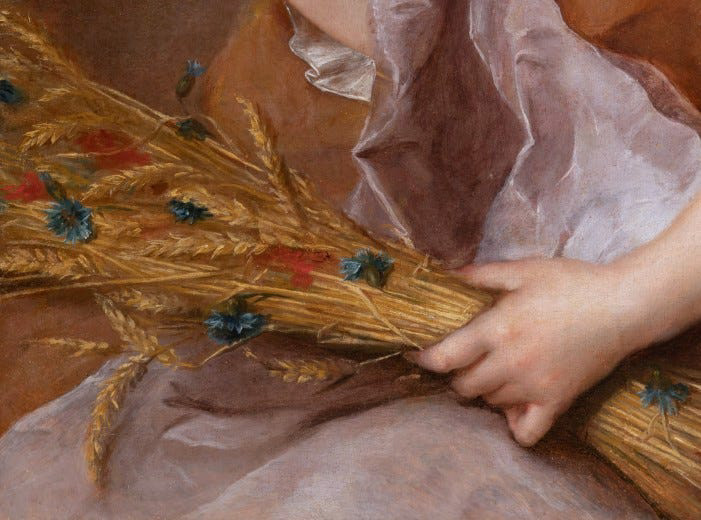
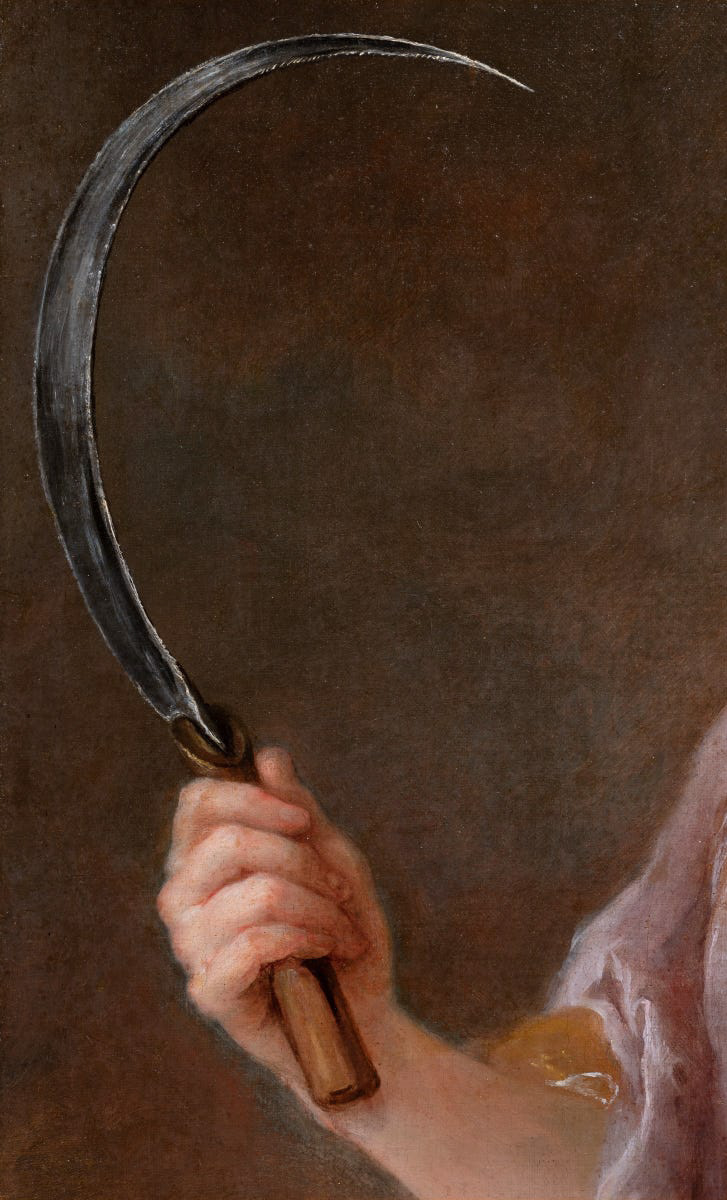
detail, François de Troy, portrait of a lady as the goddess Ceres, C. 1725
Virgo Constellation
An artistic constellation

Among our artistic guides will be Artemisia Gentileschi, whom some of you met briefly during the Studio Solar self-portrait class. Here, we will meet her again, in closer proximity, looking at the sharp intelligence of her paintings and the ways she used mythological and biblical women to confront power, vengance, danger, refusal, survival.
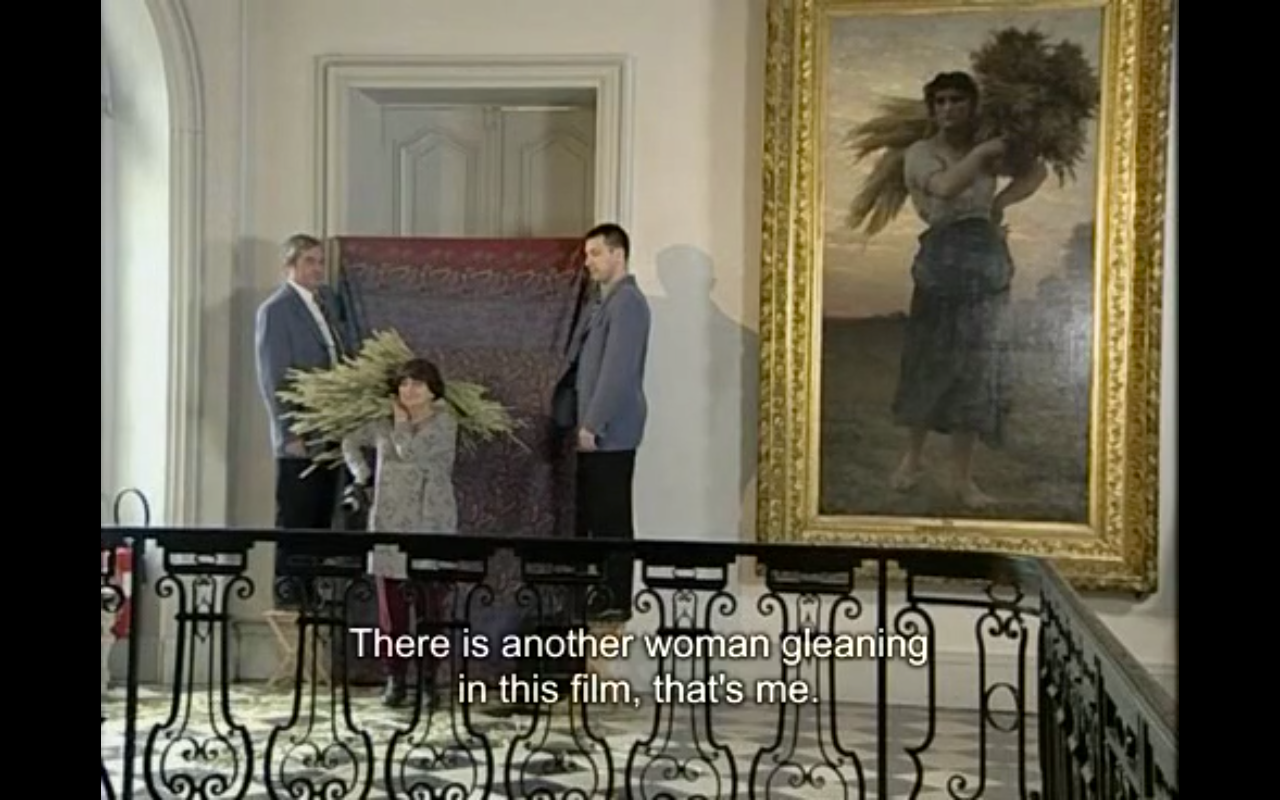
We will also spend time with Agnès Varda’s The Gleaners and I, thinking through gleaning as an artistic method: gathering what has been dropped, discarded, or overlooked and asking what new forms can be made from what remains.
Artemisia and Varda are two figures within a larger constellation of artists, goddesses, witches, workers, harvesters, and unruly virgins who will accompany us through the workshop.

from The Gleaners and I

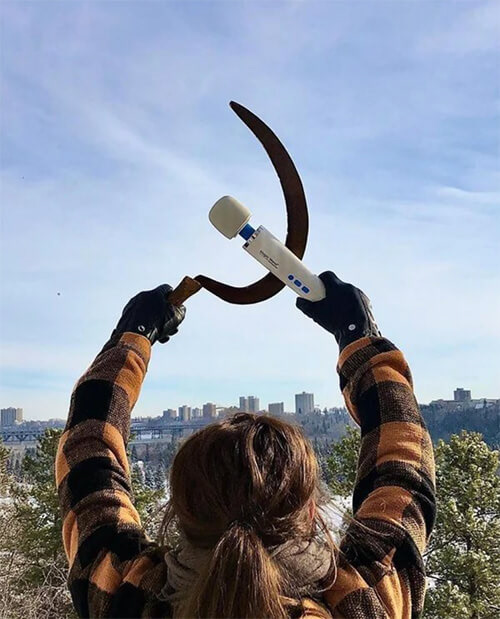
Unknown Source. Viral online image of a person holding a sickle and vibrator, echoing the communist symbol. Virgo’s blade reimagined in political, erotic form.
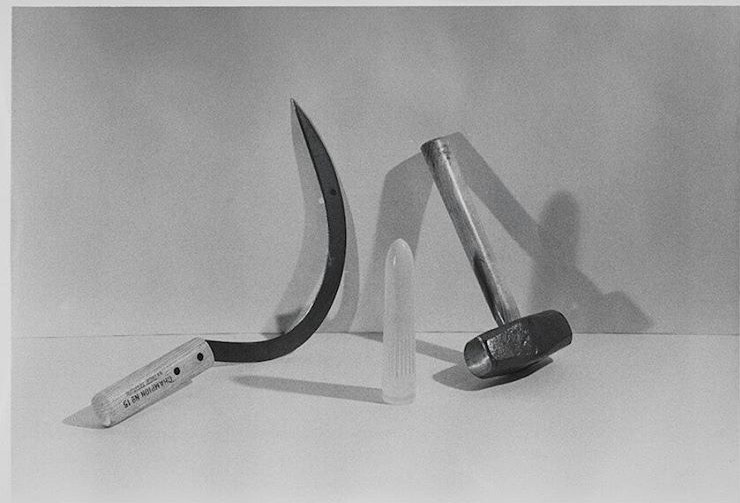
Hammer and Sickle with Vibrator by Andy Warhol (1975)
The blade in the body

Virgo rules the abdomen, the spleen, and the digestive system, the inner field where food is cut down, separated, and refined into nourishment.
Digestion is itself a blade: what the body chooses to keep, what it expels, what it is ready to release.
The blade can be stomach acid. A refusal to swallow what poisons and a devotion to keeping what sustains.
Discernment takes place in the gut, in the field, at the writing desk, at the studio and inside the ritual circle. It asks us to choose, refuse, edit, separate, and make space for what requires our care and eventual survival. 

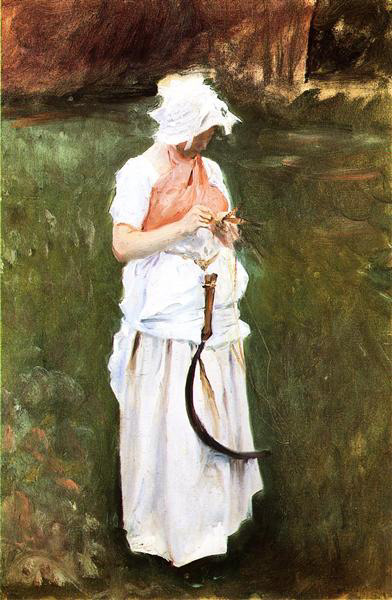
Girl with a Sickle by John Singer Sargent (1885)
Studio practice

We will move from conversation and close looking into a guided creative practice using simple materials from home.
We will mark the circle, make the cut, glean what remains, and bind what we choose to keep.
This practice approaches editing as ritual. We will work with selection, separation, gathering, and composition, following the sharp edge between what has finished and what still carries life.
A simple materials list will be sent after registration.

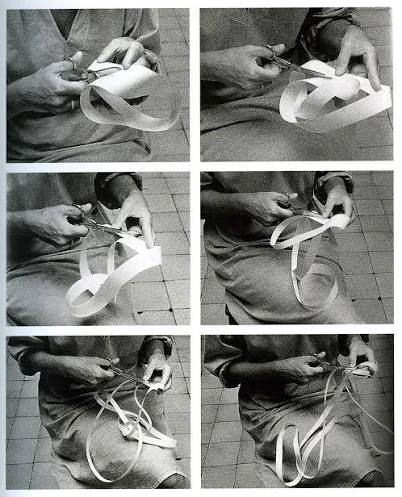
Lygia Clark, Caminhando (Going/Trailing), 1964 
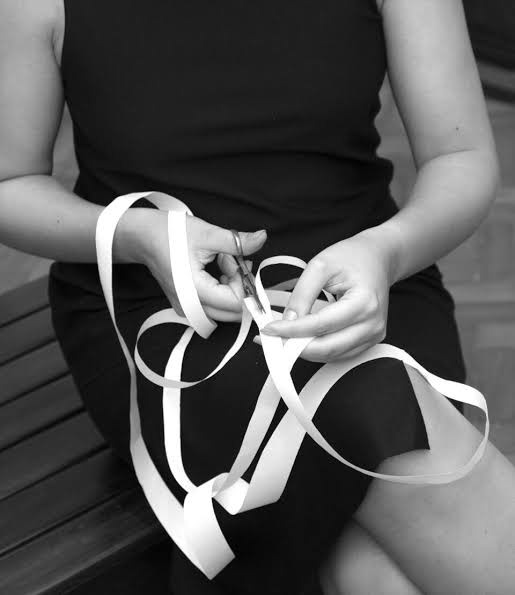
A participatory artwork where the physical act of the participant cutting a paper Möbius strip defines the entire existence of the piece

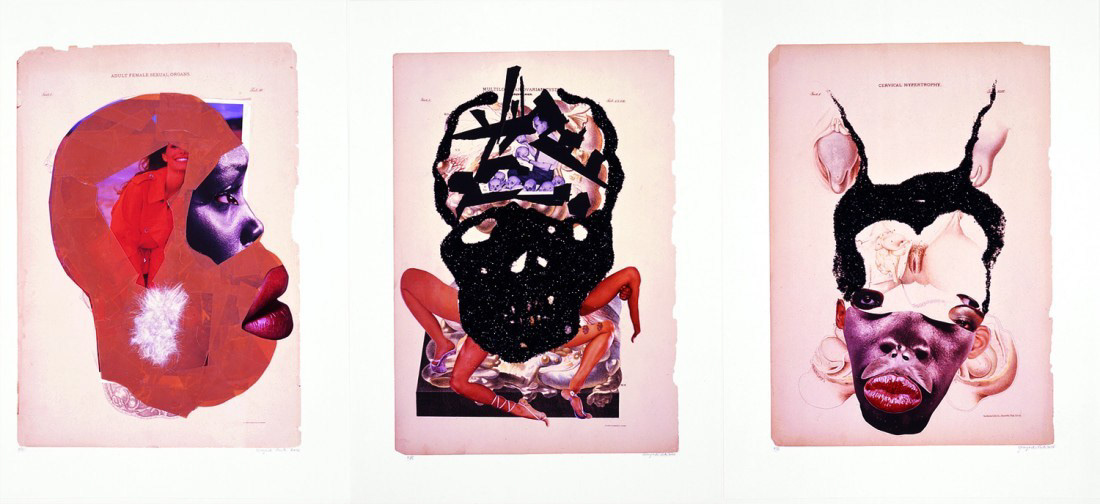
Wangechi Mutu, Histology of the Different Classed of Uterine Tumors, 2006. Mutu describes her process of cutting and splicing fragmented magazine images as a literal form of cultural surgery used to dismantle traditional hierarchies.
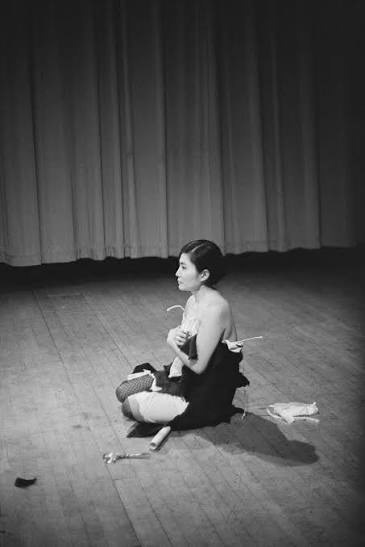
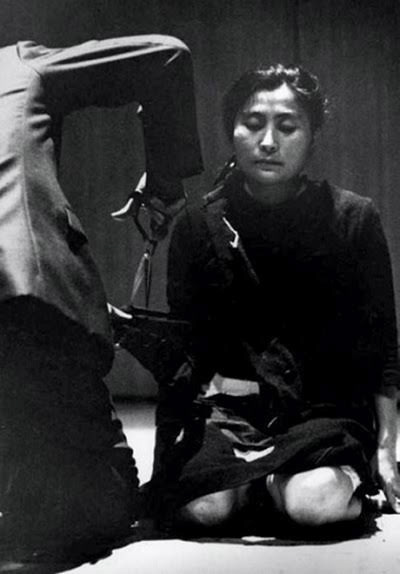
Yoko Ono, Cut Piece (1964) Ono sits motionless on stage with a pair of scissors placed in front of her. Spectators are invited to approach and cut pieces of her clothing. 
​​​​​​​The cut of devotion

Virgo’s sharp blade is part sickle, part ear of wheat, part huntress’ knife, part witch’s tool.
It is the act of discernment itself: to cut is to choose, to refuse, and to make space for what matters so that we can tend to it.
The sharp blade of Virgo is at the service of the harvest and therefore at the service of the continuation of life. Its swing is an act of devotion. The willingness to cut so that life may continue.
We meet here, at the hour of Virgo. 
Who Might Enjoy This Studio?
This studio is especially for artists, writers, astrologers, mystics, readers, photographers, designers, performers, educators, curious souls, and anyone interested in exploring creative practice through an experimental lens, using symbolism, mythology, and image-making.
You do not need to know how to make art.
You do not need to identify as an artist or even a creative.
There is no required experience of any kind (art, astrology etc.)
You only need curiosity and a willingness to experiment.
Open to all genders and experiences.

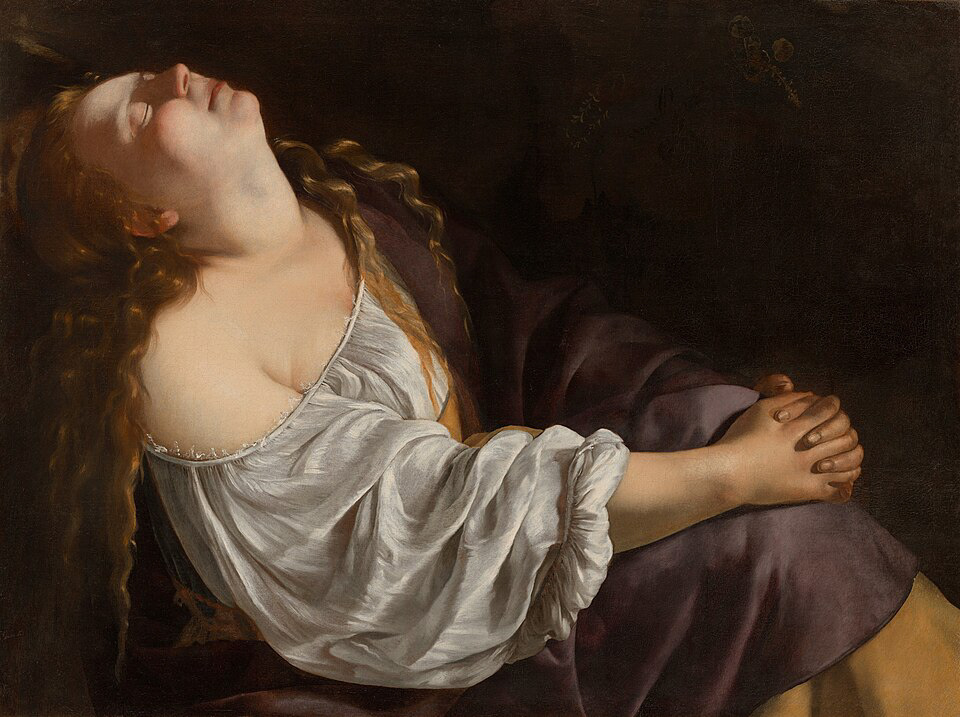
Artemisia Gentileschi, Mary Magdalene in Ecstasy (c. 1625)
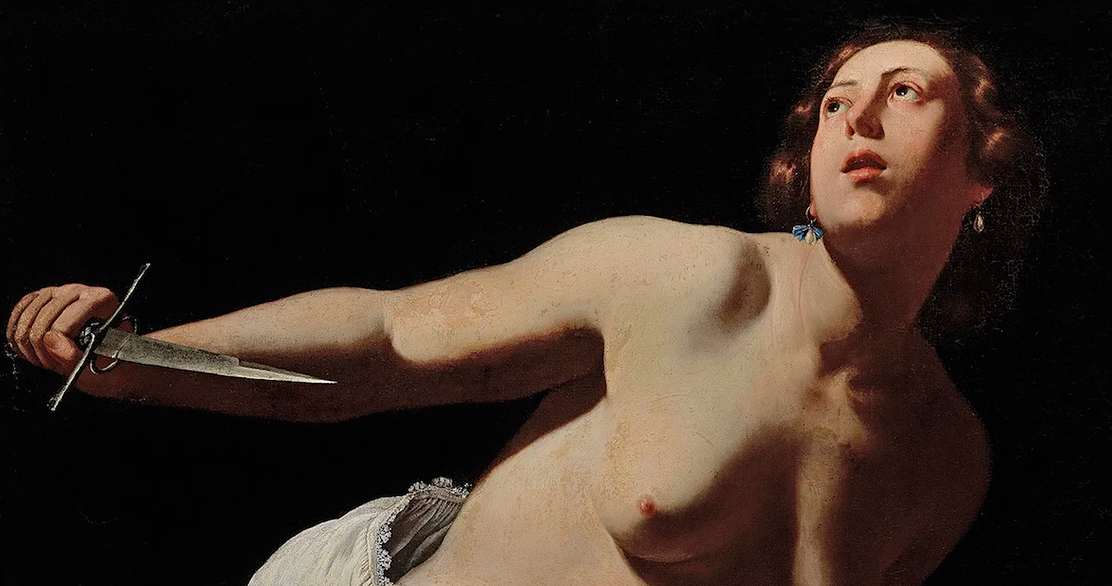
Artemisia Gentileschi, Lucretia (detail)
Studio Solar is built around experimentation. We'll look closely, follow symbols, gather images, make things, and share unfinished work. The goal is never mastery or perfection but to cultivate a richer creative practice and a deeper relationship with your own symbolic language. 
I would love to see you inside. Please reach out with any questions. You can sign up here:​​​​​​​
The themes of this course are related to ongoing research I have been doing around the fixed star Spica. I wrote about it in this piece Virgo's Sharp Blade and The Gleaner Star: Spica, Demeter, and Other Punk Goddesses of Spring
Back to Top